Discover the Crewe Heritage Centre: A Journey Through Railway History
The Crewe Heritage Centre stands as a testament to the rich railway heritage that has defined the town of Crewe since the first trains arrived over 180 years ago. Opened in 1987 to commemorate the 150th anniversary of railways in Crewe, this remarkable site has preserved countless artifacts, locomotives, and stories that shaped Britain's industrial landscape. Visitors can explore expansive indoor and outdoor exhibitions that showcase technological innovations, engineering marvels, and the human stories behind the railways. The centre occupies historically significant railway land, offering a unique opportunity to walk through actual signal boxes, examine vintage rolling stock, and understand Crewe's pivotal role in railway development. Each exhibit tells a compelling narrative about how railways transformed transportation, commerce, and daily life throughout the 19th and 20th centuries. The carefully curated collections provide educational insights for enthusiasts, families, and researchers alike, making every visit both informative and engaging.
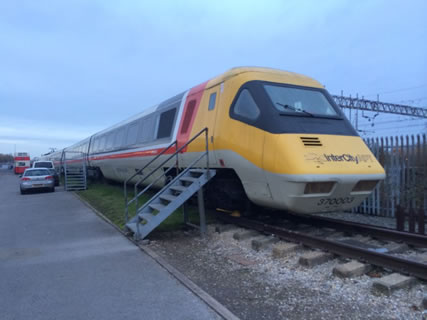
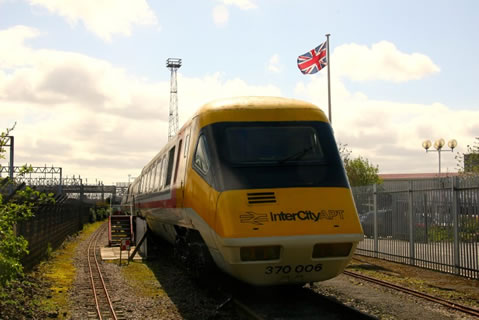
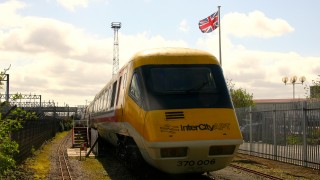
One of the centre's crown jewels is the last surviving Advanced Passenger Train prototype, a groundbreaking tilting train developed during the 1970s that represented Britain's ambitious vision for high-speed rail travel. This engineering marvel features innovative technologies that were decades ahead of their time, including hydrokinetic braking and active tilt mechanisms that allowed faster travel on existing tracks. The APT prototype serves as a tangible connection to a fascinating chapter in British railway history when engineers pushed boundaries to revolutionize passenger transport. Visitors can examine the sleek aerodynamic design, step inside the original carriages, and learn about the technical challenges and triumphs of this ambitious project. The exhibition surrounding the APT includes detailed technical specifications, historical photographs, and firsthand accounts from engineers and test drivers involved in its development. This comprehensive display not only preserves an important artifact but also inspires appreciation for innovation and engineering excellence.
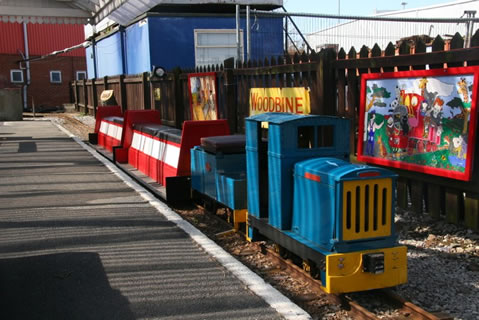
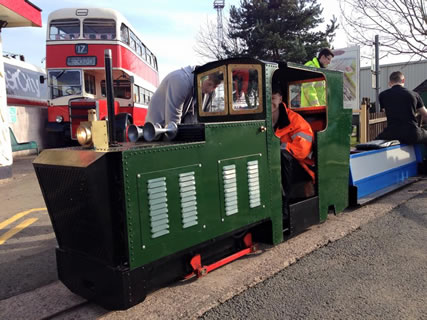
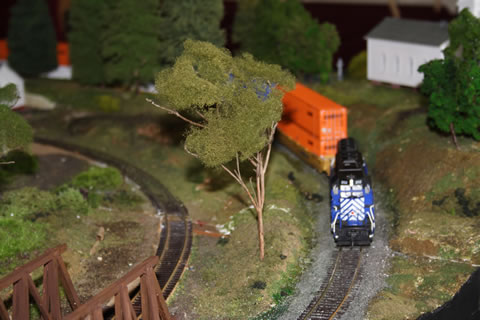
The Crewe Heritage Centre offers much more than static displays, featuring operational miniature railways that delight visitors of all ages with their intricate detailing and smooth operation. These scaled railways demonstrate the same principles that govern full-size trains, providing both entertainment and educational value for children and adults alike. Expert volunteers maintain and operate these miniature systems, sharing their knowledge about railway operations, signaling, and track layout design. The miniature railway area includes multiple gauges and scales, showcasing different eras of railway development from early steam locomotives to modern electric trains. Special events often feature extended running sessions, themed operations, and opportunities for visitors to learn about model railway construction techniques. These interactive exhibits help bridge the gap between historical appreciation and hands-on experience, creating memorable moments for families and railway enthusiasts.
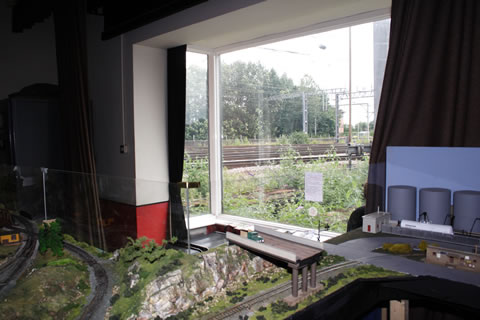
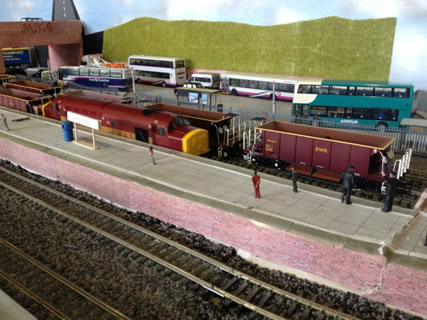
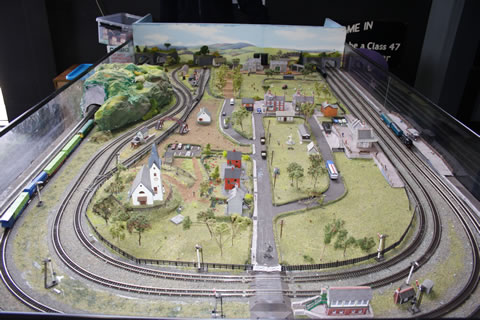
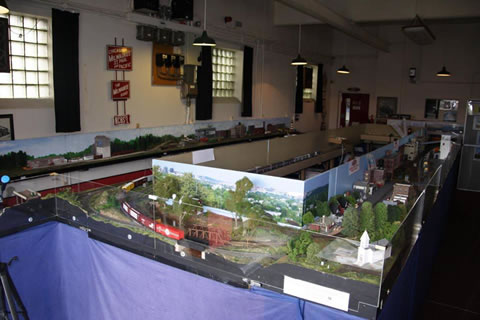
Beyond the APT and miniature railways, the centre boasts an impressive collection of standard gauge model railways that demonstrate exceptional craftsmanship and historical accuracy. These detailed layouts recreate specific regions, time periods, and operational scenarios with remarkable precision, from bustling station scenes to rural branch lines. The model railway exhibitions rotate periodically, offering returning visitors fresh perspectives on railway modeling as both an art form and technical discipline. Many displays include interactive elements that allow visitors to operate signals, control train movements, or explore specific aspects of railway operations through carefully designed interfaces. The attention to detail extends to scenery, buildings, and rolling stock, with many models representing specific prototypes that actually operated in the Crewe area. These exhibitions celebrate the dedication of model railway enthusiasts while educating the public about railway operations, infrastructure, and historical contexts.
Exhibition Halls and Historical Signal Boxes
The Crewe Heritage Centre features multiple exhibition halls that house rotating collections of railway artifacts, documents, and interactive displays. These indoor spaces provide comfortable year-round exploration opportunities regardless of weather conditions, with carefully controlled environments that protect delicate historical materials. The main exhibition hall presents themed displays that change seasonally, covering topics ranging from railway signaling evolution to locomotive manufacturing techniques used at Crewe Works. Additional exhibition spaces focus on specific aspects like railway communication systems, ticket collection history, or passenger experience through the decades. Each exhibition incorporates multimedia elements including audio recordings, video presentations, and touchscreen interfaces that enhance understanding and engagement. Professional curation ensures that exhibitions remain academically rigorous while being accessible to visitors with varying levels of railway knowledge.
Historical signal boxes represent another highlight of the Crewe Heritage Centre, with three fully preserved examples that visitors can explore both externally and internally. The North Junction Signal Box offers insight into early mechanical signaling systems with their complex networks of wires, levers, and interlocking mechanisms that ensured train safety. Crewe Station A Signal Box showcases more advanced electro-mechanical technology that represented significant progress in railway signaling during the mid-20th century. Exeter West Signal Box demonstrates fully electrical signaling systems that paved the way for modern computer-controlled operations. Each signal box contains original equipment in working condition, with knowledgeable volunteers available to explain operational procedures and demonstrate equipment functionality. These preserved structures serve as time capsules that reveal the skill and concentration required by signal operators who managed complex train movements with precision and responsibility.
The centre's outdoor areas extend the learning experience beyond enclosed buildings, featuring full-size rolling stock, track sections, and infrastructure elements that illustrate railway engineering principles. Visitors can examine different types of locomotives, passenger coaches, freight wagons, and maintenance vehicles that represent various eras of railway development. Each piece of outdoor rolling stock includes detailed information panels explaining its historical significance, technical specifications, and operational history. The outdoor exhibits demonstrate how railways evolved from simple track arrangements to complex networks with sophisticated infrastructure supporting high-speed operations. Maintenance equipment displays show how railways required constant upkeep and how specialized vehicles performed essential tasks like track laying, ballast distribution, and overhead line maintenance. These tangible exhibits help visitors appreciate the scale and complexity of railway systems that often remain invisible to casual observers.
Educational programs at the Crewe Heritage Centre cater to diverse audiences including school groups, university researchers, family visitors, and specialized interest groups. Curriculum-linked school workshops cover topics in history, science, technology, engineering, and mathematics through railway-themed activities that make learning engaging and memorable. Higher education institutions frequently utilize the centre's collections for research projects focusing on industrial history, engineering development, or material preservation techniques. Family learning activities during weekends and holidays encourage intergenerational knowledge sharing with hands-on experiments, craft sessions, and guided exploration trails. Special interest groups can arrange focused tours highlighting specific aspects like signaling technology, locomotive design, or social history connected to railway development. These educational initiatives ensure that railway heritage remains relevant and accessible to new generations while supporting academic inquiry and personal enrichment.
- Advanced Passenger Train prototype exhibition featuring the last surviving APT
- Three fully preserved historical signal boxes with operational equipment
- Miniature railway systems in multiple gauges with regular operations
- Standard gauge model railway layouts demonstrating exceptional craftsmanship
- Exhibition halls with rotating displays of railway artifacts and documents
- Outdoor rolling stock collection including locomotives and specialist vehicles
Visitor Experience and Seasonal Operations
The Crewe Heritage Centre operates primarily during weekends and bank holidays from Easter through September, with additional opening for special events throughout the year. This seasonal operation allows for intensive maintenance and development work during closed periods while maximizing visitor experience during favorable weather conditions. Admission prices reflect the centre's charitable status and commitment to accessibility, with discounted rates for children, seniors, and families alongside season ticket options for frequent visitors. Group visits receive special consideration with tailored pricing and programming that accommodate specific interests and logistical requirements. All children under sixteen must be accompanied by responsible adults throughout their visit, ensuring safety while allowing families to explore together at their own pace. The centre's layout includes clearly marked pathways, accessible facilities, and resting areas that make exploration comfortable for visitors of all ages and mobility levels.
Special events represent highlights of the annual calendar, drawing visitors with unique programming that expands beyond regular exhibitions. The Toy & Train Collectors Fair brings together enthusiasts and dealers offering rare items, while Beer, Berries & Beans celebrates local produce alongside railway heritage. Creative Crewe Music Event combines live performances with historical exploration, and the Wheels of War Weekend examines military railway operations through reenactments and displays. The annual Crewe Rail Ale Festival attracts visitors interested in both railway history and craft brewing traditions. These special events create additional opportunities for engagement while showcasing different aspects of railway heritage through themed activities, expert presentations, and interactive experiences. Many events include evening openings, after-hours tours, or extended access to areas normally closed to regular visitors, providing exclusive perspectives on the centre's collections.
Visitor facilities at the Crewe Heritage Centre include refreshment areas offering light snacks and beverages, gift shops with railway-themed merchandise, and picnic spaces for those bringing their own provisions. These amenities ensure that visitors can enjoy extended stays without needing to leave the site for basic necessities. The gift shop features carefully selected items including books, models, clothing, and souvenirs that reflect the centre's collections and educational mission. Picnic areas provide sheltered and open-air options overlooking interesting railway features, creating pleasant environments for relaxation between explorations. Clear signage throughout the site guides visitors efficiently between attractions while providing contextual information that enhances understanding of exhibits. Volunteer staff and trained guides remain available throughout opening hours to answer questions, provide directions, and share interesting anecdotes that bring railway history to life.
Accessibility considerations receive careful attention at the Crewe Heritage Centre, with ramp access to main buildings, adapted toilet facilities, and designated parking for visitors with mobility challenges. Many exhibitions include tactile elements for visually impaired visitors, while written materials are available in large print formats upon request. Hearing loops in presentation areas assist visitors with hearing impairments, and quiet spaces provide respite for those needing breaks from sensory stimulation. Staff receive training in disability awareness and assistance techniques, ensuring that all visitors feel welcomed and supported throughout their visit. Future development plans include further accessibility improvements such as additional audio description resources, simplified navigation aids, and enhanced sensory engagement opportunities. These commitments reflect the centre's dedication to inclusive heritage experiences that accommodate diverse needs and preferences.
Membership and Volunteer Opportunities
The Crewe Heritage Centre offers membership programs that provide regular supporters with benefits including unlimited visits, newsletter subscriptions, and invitations to exclusive events. Membership fees contribute directly to conservation projects, educational initiatives, and facility improvements that ensure the centre's long-term sustainability. Members receive regular updates about new acquisitions, restoration progress, and upcoming programming, maintaining strong connections between the institution and its most dedicated supporters. Volunteer opportunities represent another crucial aspect of the centre's operations, with roles ranging from exhibition guiding and restoration work to administrative support and event coordination. Volunteers receive specialized training relevant to their roles, gaining valuable skills while contributing to heritage preservation. Both membership and volunteer programs foster community engagement while ensuring that railway heritage remains vibrant and relevant for future generations.
Corporate partnerships and sponsorship opportunities allow businesses to support the Crewe Heritage Centre while gaining positive exposure through association with this respected institution. Partnership benefits may include brand visibility at events, naming rights for specific exhibits, or collaborative programming that aligns with corporate social responsibility objectives. These partnerships provide crucial financial support for major projects like building renovations, exhibition development, or conservation of significant artifacts. Educational institutions often establish formal relationships with the centre for research access, student placements, or curriculum development initiatives. Such collaborations enrich academic programs while providing the centre with fresh perspectives and specialized expertise. These multifaceted relationships create sustainable support networks that transcend traditional funding models, ensuring resilience against economic fluctuations while fostering innovation in heritage presentation and preservation.
Digital engagement initiatives extend the Crewe Heritage Centre's reach beyond physical visitors through online exhibitions, virtual tours, and social media content. These digital resources allow global audiences to explore collections, while providing planning tools for potential in-person visitors. Online learning materials support remote education programs, and digital archives facilitate research access for academics worldwide. Social media channels create interactive communities where enthusiasts share memories, ask questions, and stay updated about centre developments. These digital platforms also provide valuable feedback mechanisms through comments, surveys, and engagement metrics that inform programming decisions. During seasonal closures, digital content maintains public interest and support, while special online events like virtual curator talks or behind-the-scenes videos offer exclusive access to normally restricted areas. This integrated approach to physical and digital presence ensures comprehensive heritage engagement regardless of geographical or temporal constraints.
Conservation work at the Crewe Heritage Centre represents an ongoing commitment to preserving railway heritage for future generations. Specialist staff and volunteers perform meticulous restoration work on rolling stock, buildings, and artifacts using appropriate techniques and materials. Conservation priorities balance immediate needs with long-term preservation goals, addressing deterioration while maintaining historical integrity. Preventative measures include environmental monitoring, pest management, and appropriate storage solutions that minimize future conservation requirements. Documentation accompanies all conservation activities, creating detailed records that support future research and treatment decisions. Funding for conservation projects comes from various sources including grants, donations, and specific fundraising campaigns targeting high-priority items. These efforts ensure that historically significant objects remain accessible while maintaining their authenticity and educational value for decades to come.
Historical Context and Future Development
Crewe's railway heritage dates back to 1837 when the Grand Junction Railway established its locomotive works, eventually growing into one of Britain's most significant railway towns. The Crewe Heritage Centre occupies land historically connected to these developments, with buildings and infrastructure that witnessed key moments in railway evolution. Understanding this context enhances visitor appreciation for the centre's location and collections, revealing how railway technology, operations, and community life intertwined throughout the nineteenth and twentieth centuries. Exhibition content frequently references Crewe's specific contributions to railway history, from innovative engineering solutions developed at Crewe Works to operational practices refined through local experience. This localized focus provides depth and specificity that distinguishes the centre from more generalized railway museums, offering unique insights into how particular places shaped national transportation networks.
Future development plans for the Crewe Heritage Centre include expanded exhibition spaces, enhanced visitor facilities, and new interactive experiences that will enrich the overall offering. These plans prioritize sustainable growth that respects the site's historical character while incorporating modern museum standards and accessibility requirements. Proposed developments may include dedicated learning centers, improved conservation workshops, and expanded outdoor display areas that allow more rolling stock to be exhibited under appropriate conditions. Technological integration represents another development priority, with plans for augmented reality experiences, enhanced digital interpretation, and interactive exhibits that employ cutting-edge presentation methods. These enhancements will complement rather than replace existing historical displays, creating layered experiences that appeal to diverse visitor preferences and learning styles. Community consultation informs development planning, ensuring that changes reflect local values while meeting broader heritage presentation objectives.
Research activities at the Crewe Heritage Centre contribute significantly to railway scholarship through documentation projects, oral history collection, and material culture analysis. Academic partnerships facilitate rigorous investigation of collections, resulting in publications, conferences, and digital resources that advance understanding of railway history. Research outcomes often feed directly into exhibition development, ensuring that displays reflect current scholarship while remaining engaging for general audiences. Volunteer researchers play crucial roles in these activities, bringing specialized knowledge and dedicated time to projects that might otherwise remain unrealized. Research access policies balance preservation needs with scholarly requirements, providing appropriate conditions for examining artifacts while ensuring their long-term protection. These research activities reinforce the centre's credibility as both heritage institution and knowledge resource, attracting serious scholars while enriching public understanding through evidence-based interpretation.
Community Engagement and Educational Impact
The Crewe Heritage Centre maintains strong connections with local communities through outreach programs, collaborative events, and participation in civic initiatives. Schools, youth groups, and community organizations frequently utilize centre resources for projects that connect railway heritage with broader educational objectives. Community events hosted at the centre celebrate local identity while introducing diverse audiences to railway history through accessible programming. Outreach activities extend beyond the physical site, with traveling exhibitions, pop-up displays, and online resources that reach audiences unable to visit in person. These community connections ensure that railway heritage remains relevant to contemporary society while honoring the generations whose lives intersected with railway development. Feedback mechanisms allow community input to shape programming decisions, creating responsive relationships that evolve according to changing needs and interests.
Educational impact measurement represents an important aspect of the Crewe Heritage Centre's operations, with evaluation methods assessing learning outcomes, visitor satisfaction, and program effectiveness. These assessments inform continuous improvement while demonstrating value to funders, partners, and stakeholders. Longitudinal studies track how engagement with railway heritage influences attitudes toward history, technology, and preservation over time. Educational resources undergo regular review and updating based on evaluation findings, teacher feedback, and curriculum changes. Professional development opportunities for educators ensure effective utilization of centre resources within formal learning contexts. These systematic approaches to educational impact maximize learning potential while maintaining high standards for heritage interpretation and visitor experience. Evidence-based practice distinguishes the centre's educational offerings, providing confidence that resources achieve intended objectives while remaining engaging and appropriate for target audiences.
Sustainability and Long-Term Preservation
Sustainability initiatives at the Crewe Heritage Center address environmental responsibility, financial viability, and cultural preservation through integrated approaches that balance immediate needs with future considerations. Energy efficiency improvements reduce operational costs while minimizing environmental impact, with investments in insulation, efficient lighting, and renewable energy sources where feasible. Water conservation measures, waste reduction strategies, and sustainable procurement policies demonstrate environmental stewardship throughout daily operations. Financial sustainability depends on diversified income streams including admissions, memberships, grants, donations, and commercial activities that collectively support core functions without compromising heritage values. Cultural sustainability involves transmitting knowledge, skills, and appreciation to new generations through effective interpretation, documentation, and community engagement that keeps railway heritage vibrant and meaningful.
Long-term preservation planning addresses both physical collections and intangible heritage through systematic approaches that anticipate future challenges and opportunities. Collection management policies establish priorities for acquisition, conservation, and deaccessioning that ensure resources focus on most significant items. Digital preservation initiatives create backup records and virtual representations that safeguard against loss or damage to physical collections. Succession planning for volunteer leadership and specialized skills maintains institutional memory while developing new capacities as needs evolve. Strategic partnerships with other heritage organizations, educational institutions, and government agencies create supportive networks that enhance resilience and resource sharing. These forward-looking approaches position the Crewe Heritage Centre to navigate changing circumstances while continuing its mission to preserve, present, and promote railway heritage for generations to come.
International connections through railway heritage networks provide valuable perspectives, shared resources, and collaborative opportunities that enhance the Crewe Heritage Centre's work. Participation in international associations facilitates knowledge exchange about best practices in railway preservation, interpretation, and management. Collaborative exhibitions with overseas institutions introduce diverse perspectives while showcasing Crewe's unique heritage to global audiences. International volunteers and researchers contribute specialized expertise while gaining valuable experience in British railway history. These global connections reinforce the centre's reputation as a significant institution within international railway heritage while providing inspiration and innovation that enriches local practice. As railway history becomes increasingly recognized as global heritage with local manifestations, these international dimensions add depth and relevance to the centre's mission and activities.
The Crewe Heritage Centre represents more than a collection of railway artifacts; it embodies living history that continues to evolve through new acquisitions, research discoveries, and changing interpretations. Each visit offers fresh insights as exhibitions rotate, restoration projects progress, and new stories emerge from ongoing research. This dynamic quality ensures repeat visitors always encounter something new while core exhibitions provide familiar touchstones that deepen understanding over multiple visits. The centre's future will undoubtedly bring new challenges and opportunities as railway heritage adapts to changing societal values, technological possibilities, and environmental considerations. Through thoughtful stewardship and innovative approaches, the Crewe Heritage Centre will continue illuminating railway history while inspiring appreciation for engineering achievement, community development, and transportation evolution that transformed Britain and beyond.